Educational Visit to Shivneri Fort by DYPTC Engineering Students
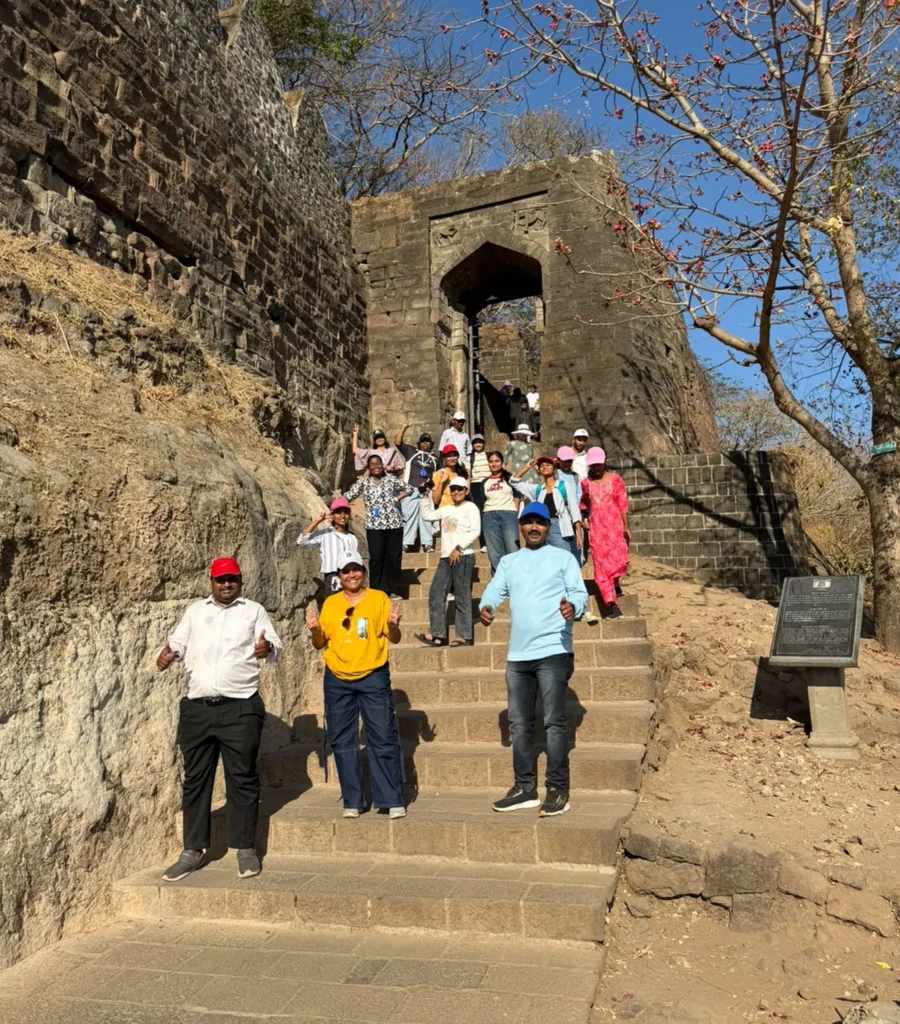
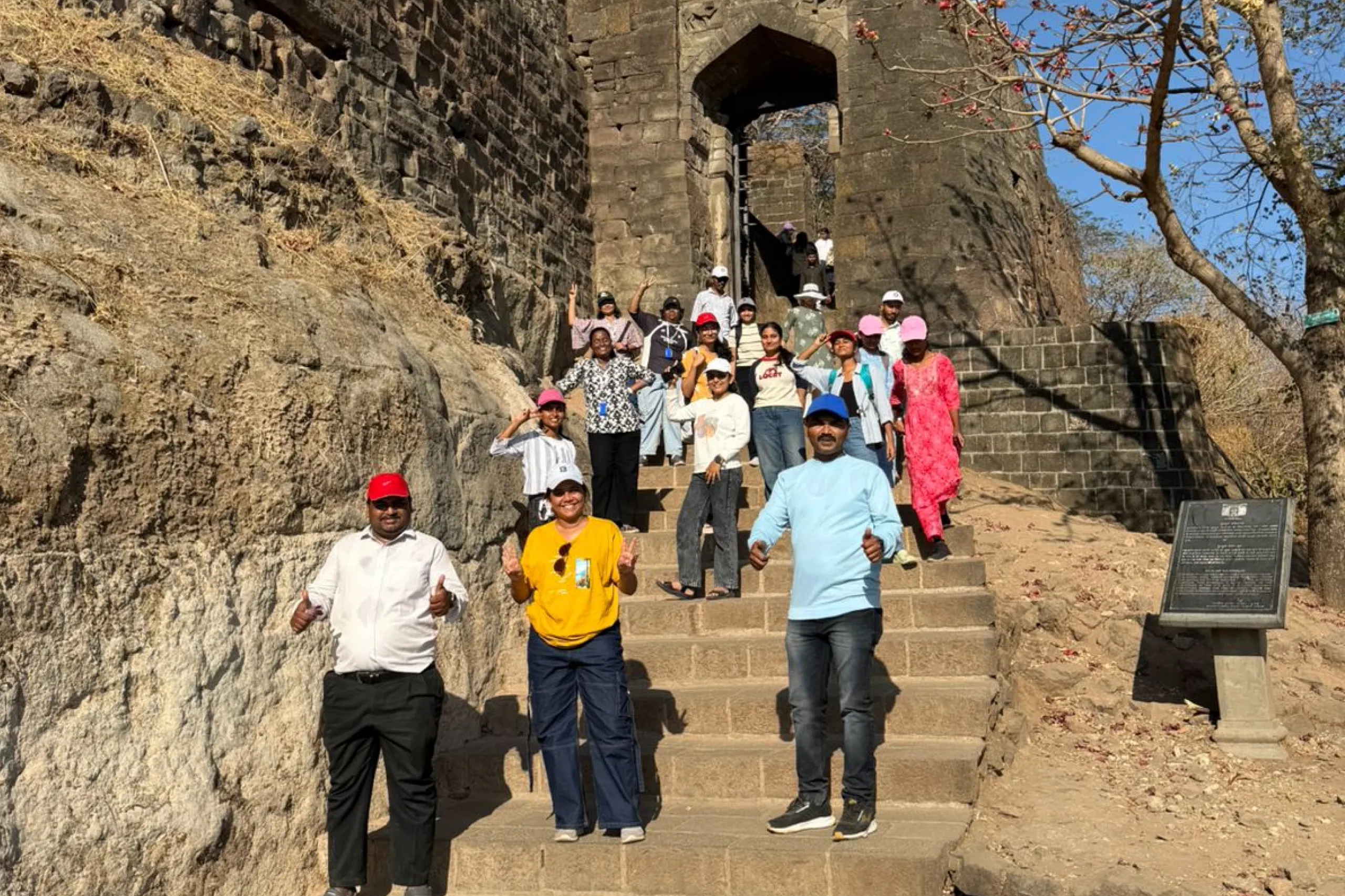
The Department of Engineering Sciences at Dr. D. Y. Patil Technical Campus (DYPTC), Varale–Talegaon, Pune, organized an educational visit to Shivneri Fort, the birthplace of Chhatrapati Shivaji Maharaj, for First Year Engineering students as part of the Indian Knowledge System (IKS) subject.
The primary objective of this visit was to help students explore the rich heritage of ancient Indian science, technology, architecture, environmental sustainability, and strategic planning through real-life historical examples.
Learning Ancient Engineering and Fort Architecture
The visit to Shivneri Fort provided students with a deeper understanding of indigenous engineering practices used in ancient India. The fort stands as a remarkable example of advanced planning and construction techniques that were centuries ahead of their time.
Students observed several fascinating aspects, including:
- Advanced fort construction techniques used for strength and durability
- Natural defense mechanisms designed for strategic protection
- Rainwater harvesting systems built to ensure water sustainability
- Resource management methods based on geographical and environmental understanding
These features demonstrated how traditional Indian engineering knowledge combined architecture, science, and environmental awareness to create sustainable and secure structures.
Academic Guidance and Coordination
The educational visit was successfully coordinated by faculty members who ensured that students gained maximum learning from the experience. The faculty team included:
- Prof. Prashant Raut
- Prof. Rahul Sawant
- Prof. Bhavna Shinde
- Prof. Nitin Gaikwad
Their guidance helped students connect historical knowledge with modern engineering concepts.
Connecting Indian Heritage with Modern Engineering
The Shivneri Fort educational visit proved to be an inspiring learning experience for students. It allowed them to understand how traditional Indian wisdom and engineering practices can still provide valuable insights for modern infrastructure, sustainability, and strategic planning.
Such initiatives under the Indian Knowledge System (IKS) encourage students to appreciate India’s rich scientific heritage while developing a deeper perspective on engineering and innovation.